v0.45.0 · pre-release · built in the open

Light, programmed.

Lux is a real-time, node-based visual instrument for creative coding, live performance and generative art. Rust-fast, GPU-first, and honest about every pixel it draws.

RustwgpuLinuxmacOSWindows

What ships today

Not a demo reel. The default render.

Four of the twelve subsystems already drawing real pixels. The features page has the rest.

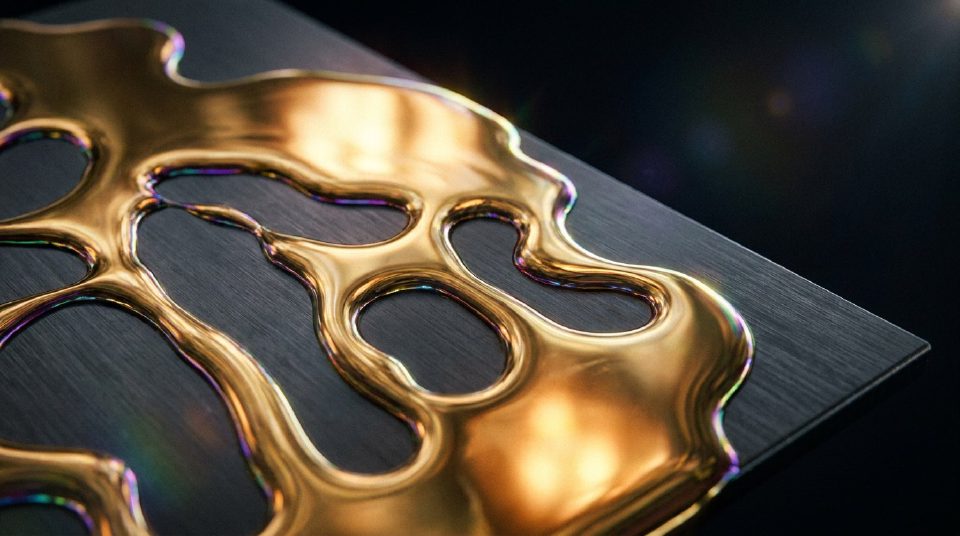
Molten gold flowing across dark brushed metal with iridescent edges
01

OpenPBR, the whole stack

Materials that behave like matter

Metal that looks like metal, glass that refracts what actually stands behind it, lacquer over paint, velvet that catches the rim light. The full OpenPBR layered BSDF runs live, and a white-furnace test proves no photon is invented or lost.

Energy-correct under every light
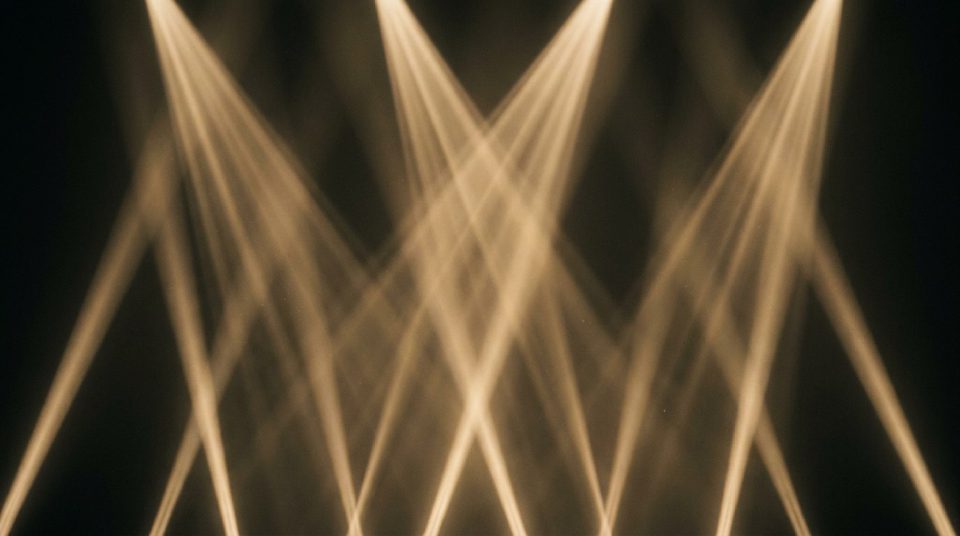
Golden volumetric light beams crossing through haze
02

Clustered Forward+

A thousand lights, one frame

The light store holds 1,024 slots and bins them per tile, so a club rig is a patch, not a plan. Area lights have actual shapes, IES profiles read real photometry, and every shadow is budgeted so the frame never blows.

1,000 lights in 4 ms on an RTX 5070
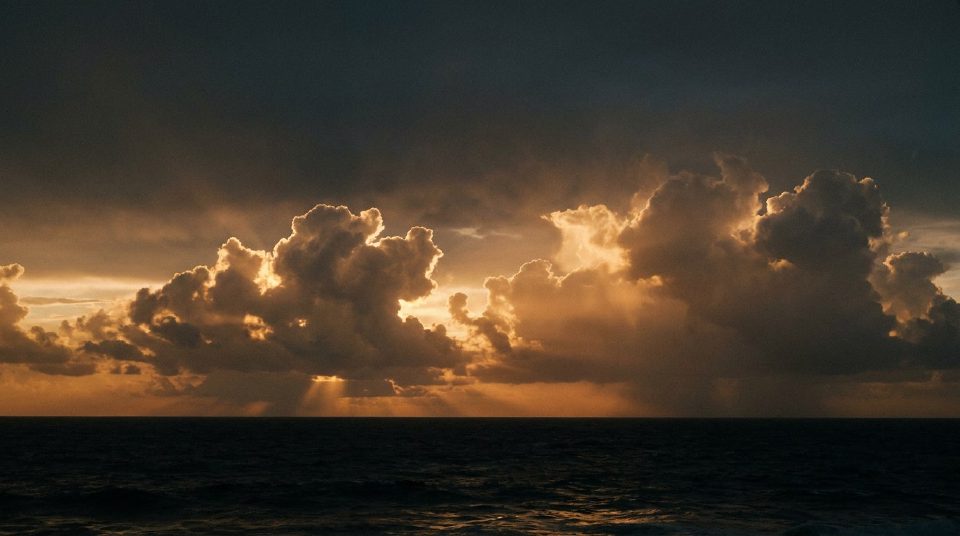
Golden sunset cumulus towering over a dark ocean horizon
04

Sky, fog, clouds, ocean

Weather you can dial

A physically based sky whose sun reddens at the horizon, fog that knows where your geometry is, traced cumulus with shadowed bases, and a Tessendorf FFT ocean. Wind 1 is a pond. Wind 18 is a storm.

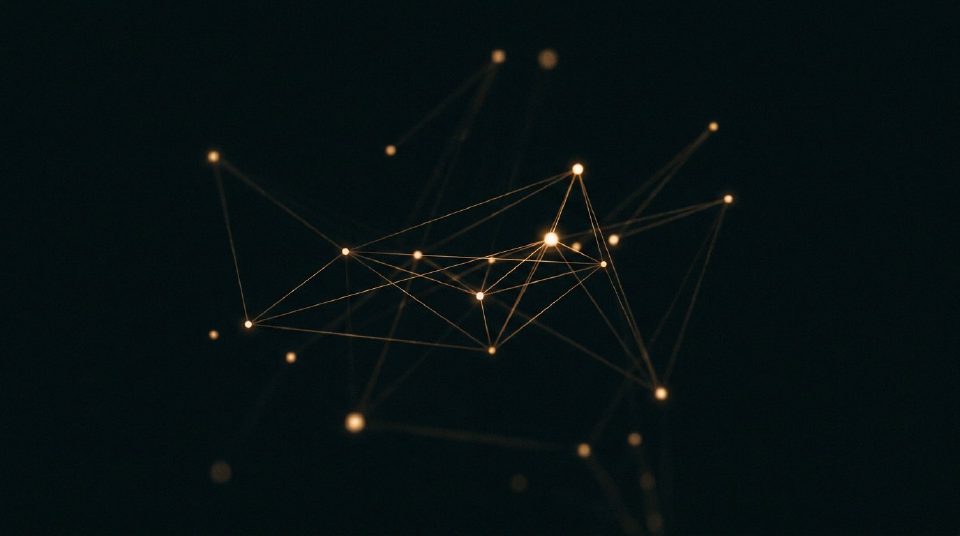
A constellation of glowing gold nodes joined by threads of light
10

The instrument

An editor that keeps up

Space opens the node browser, Tab searches everything, wires snap to the pin you meant. Over 230 nodes ship documented, tooltips carry ranges and defaults, and when a node cannot draw it wears a red dot instead of pretending. The profiler is one keypress away.

230+ nodes, all documented, enforced by CI

Fresh off the pipeline

The latest build

v0.45.0

Every binary now says which commit it came from. `lux --version` and the first line of your log file report `0.45.0+1073.gabc1234` instead of a bare version number that was equally true of a dozen different builds. When something breaks, the log now identifies the program that broke.

What's next

Coming attractions

Ranked, not dated. A thing ships when it draws its first honest pixel.

01

GPU particles and affectors

Mesh, volume, spline and trail emitters. Turbulence, vortex, curl noise and flocking forces. Trails, metaballs and volume render modes. Millions of particles, all resident on the GPU. The single biggest bet on the board.

Up next
02

3D SDF and procedural modeling

A full 3D SDF graph: fractals, Voronoi, CSG with clone, mirror and repeat, displacement. Mesh it with marching cubes or raymarch the volume directly. Today SDF lives in 2D; this is its third dimension.

Up next
03

The fidelity dial

One dial that swaps the renderer between Standard, Hybrid, Smart Tracer and Path Tracer with identical materials. Most of the pieces already live inside the GI orchestrator; the dial turns them from a config into a choice.

Planned

Patch something luminous.

Pre-1.0 and moving fast. A new build ships with nearly every merge.